





The Unseen Side of British Horse Racing: When the Tracks Are Quiet
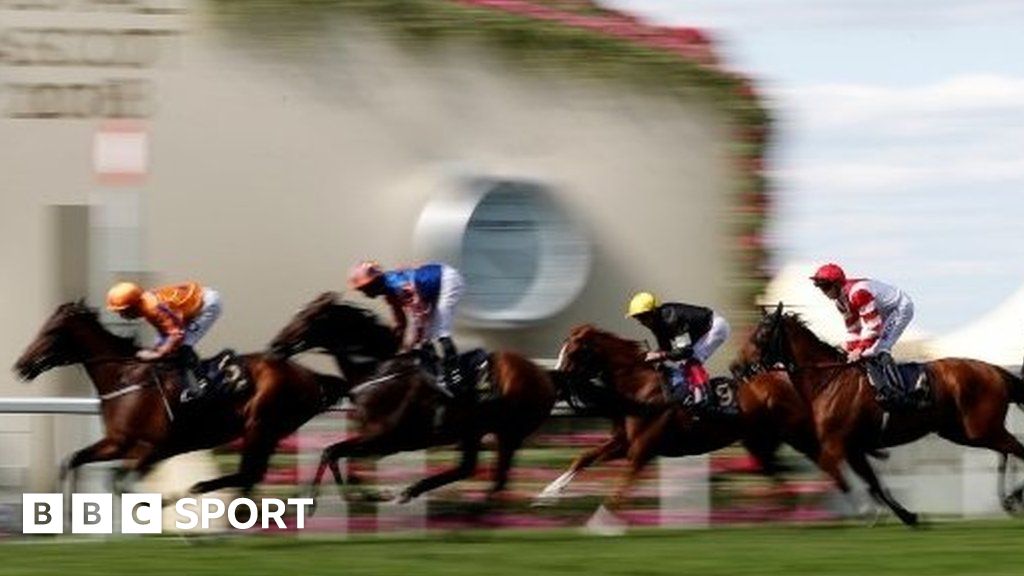
British horse racing is often celebrated for its thrilling races, vibrant atmosphere, and the pageantry associated with events such as the Grand National and Royal Ascot. However, it’s essential to look beyond the glamorous facade and consider the times when the tracks are quiet, when the races are not on. These periods can reveal much about the industry’s underlying dynamics, including the training regimens of the horses, the preparations of the jockeys, and the emotional and economic impacts of cancelled events. You can learn more about the enchanting world of horses at British horse racing not on GamStop https://merseysidepolicemounted.uk/.
The Importance of Off-Season Training
When races are not taking place, trainers continue to work diligently with their horses. The off-season is crucial for developing a horse’s strength, endurance, and technique. During this time, trainers implement specific training programs tailored to each horse’s needs, often incorporating specialized exercises that focus on building muscle, improving flexibility, and enhancing speed.
Training in quiet periods also allows jockeys to refine their skills through practice rides and simulations without the pressure of competition. The relationship between jockey and horse is crucial; thus, these off-season sessions can deepen the bond and understanding necessary for success when races resume.
Economic Impact of Canceled Races
When races are canceled or rescheduled, the effects ripple through the entire racing industry. From horsemen and trainers to jockeys and stable hands, many depend on racing for their livelihood. The logistics of organizing race events involve substantial investments, and cancellations can result in significant financial losses.
The betting industry is also heavily impacted when races are not on. Betting shops, online platforms, and various stakeholders in the betting world experience financial strain during these quiet times. The excitement surrounding a race day fuels betting activity, which in return supports various sectors of the industry.
Cultural Significance and Community Engagement
Beyond the tracks, horse racing holds cultural significance in British society. When races are not occurring, the community surrounding horse racing shifts towards supporting other related activities. This includes sponsoring local equestrian events, organizing charity functions, and investing in youth programs to instill interest in the sport.
Additionally, many racing venues host tours and educational events to engage with the public, raising awareness about horse welfare and training techniques. These initiatives aim to maintain enthusiasm for horse racing and foster a sense of community, even when events are not taking place.
Equine Welfare and Care During Downtime
Horse welfare remains a paramount concern, especially during periods when racing is not taking place. Owners and trainers devote extra time to ensuring that horses receive proper care, nutrition, and veterinary attention. This proactive approach helps to prevent injuries and prepare horses for their return to the racetrack.
Furthermore, with the rise of technology and better understanding of equine health, trainers and caregivers are increasingly employing innovative methods to monitor and improve horse welfare. Instruments that track physiological data, along with advancements in veterinary medicine, contribute significantly to the horses’ well-being during their downtime.
Preparing for the Racing Season
As the racing season approaches, preparations ramp up not only for the horses but for everyone involved in the sport. From stable maintenance to marketing, the entire racing infrastructure gears up for the highly anticipated events. This is the time for trainers to evaluate which horses are ready for competition, making decisions on which races they will enter.
Furthermore, the excitement builds as fans start planning their attendance at upcoming racing
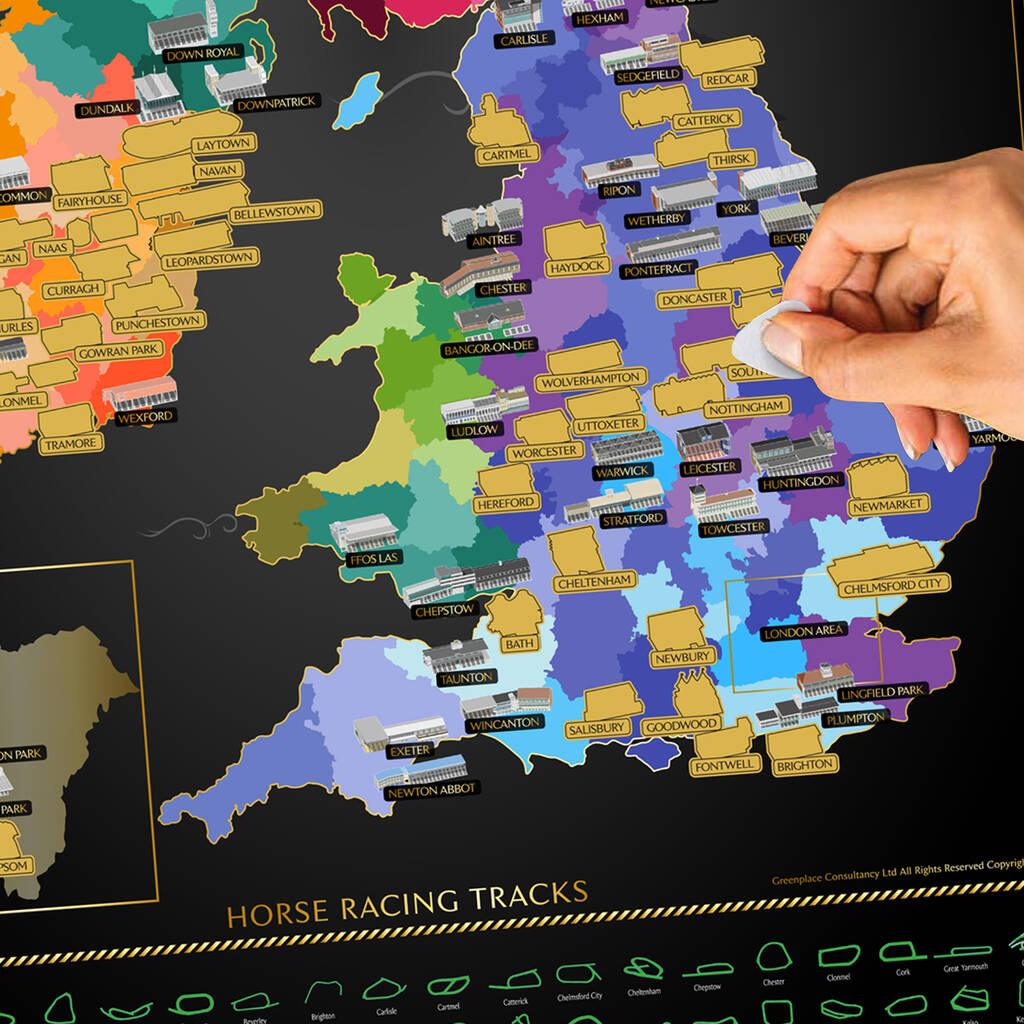
days. The anticipation of being at the track, dressing up, placing bets, and cheering for their favorites creates a vibrant atmosphere that contrasts starkly with the stillness of the off-season.
The Future of Horse Racing in the UK
Looking ahead, the world of British horse racing faces challenges and opportunities. Innovative techniques in training and maintenance are likely to change the industry’s landscape. Moreover, the integration of smart technology and data analysis promptly keeps stakeholders informed and ready for action, even during the quiet times.
As the industry continues to adapt, engaging the younger generation through outreach programs, school visits, and digital platforms will be vital. The future of horse racing in Britain depends on attracting new fans and ensuring that both horses and people remain well-cared for and connected to this cherished sport.
Conclusion
The periods when British horse racing is not on may seem quiet and uneventful, but they are, in fact, filled with crucial activities that prepare the sport for vibrant racing days ahead. By understanding the nuances of this downtime, we can appreciate the dedication and complexity involved in maintaining one of the UK’s most beloved pastimes.
From horse training and care to economic impacts and community engagement, the unseen side of British horse racing offers a profound insight into the sport. With careful consideration of these aspects, stakeholders can continue to develop and innovate, ensuring that racing remains a vital part of British culture.