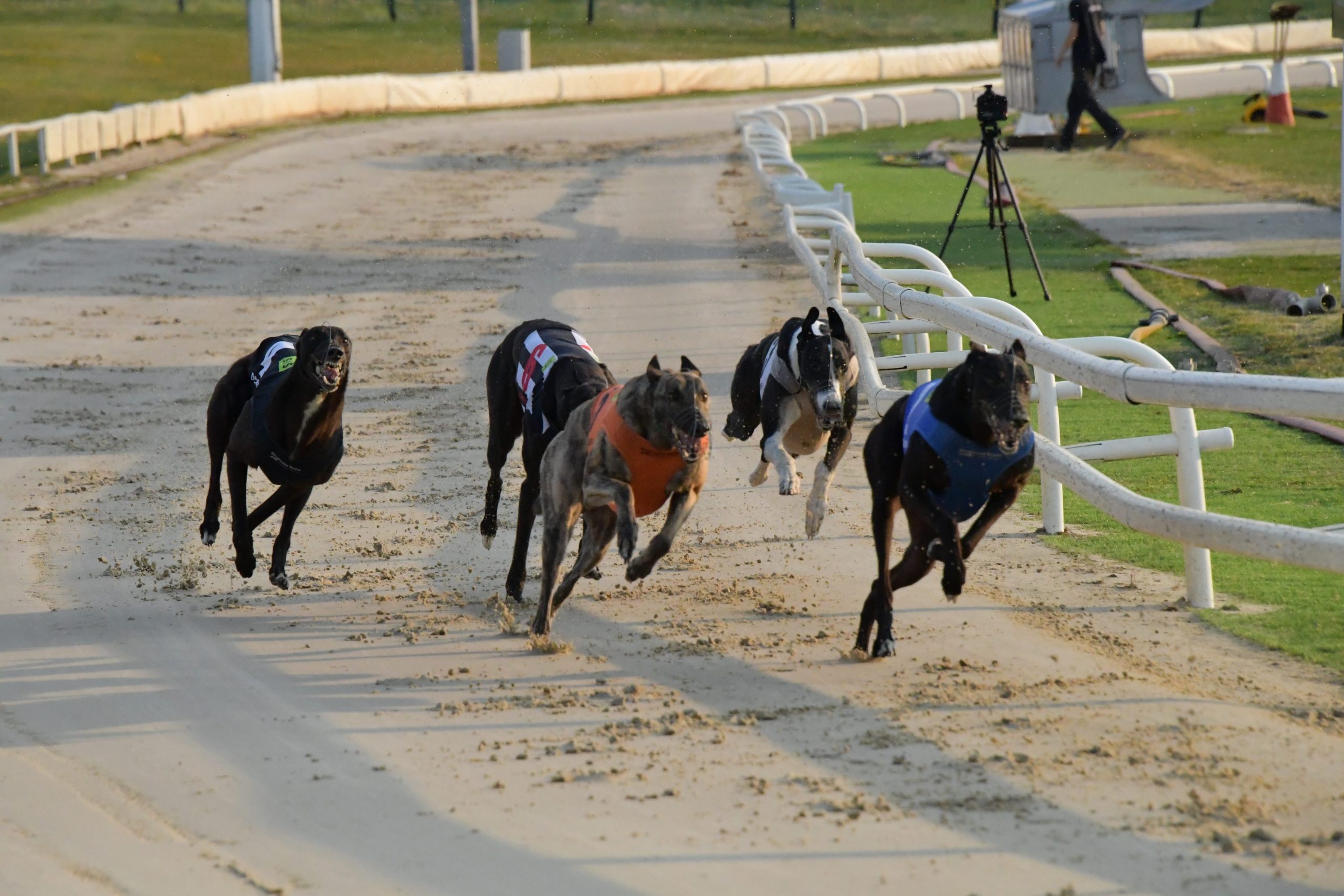





The landscape of UK Greyhound racing is seeing significant changes as events are not being held as frequently as before. For enthusiasts and fans, this has raised questions about the future of the sport and the well-being of the dogs involved. To find out more about the issue, you can visit UK Greyhound Racing Not on GamStop whippetgrey.co.uk.
Greyhound racing has a long history in the UK, providing entertainment for millions and a livelihood for many. Once a staple of British leisure activities, the sport has faced numerous challenges in recent years, ranging from declining public interest to concerns over the welfare of the racing dogs. As a result, many racing tracks have temporarily closed or reduced their schedules, leading to a notable absence of events in the UK.
The Impact of Racing Shutdowns
When Greyhound racing is not on, the impacts are felt throughout the industry. Owners, trainers, and staff of racing tracks are directly affected, often facing financial hardships due to a loss of income. The dogs themselves, who are bred and trained for racing, may find themselves without a purpose. While some are successfully rehomed, many face uncertain futures as racing declines.
Challenges Facing Greyhound Racing
The challenges facing UK Greyhound racing have been exacerbated by several factors:
- Public Perception: Increasing awareness of animal welfare issues has led to growing opposition to the sport. Groups advocating for animal rights often highlight the risks faced by racing dogs, including injury and abandonment.
- Economic Factors: Economic downturns can impact betting activities, critically affecting the revenue that keeps the sport alive. The pandemic hit the betting industry hard, and many businesses have not fully recovered.
- Regulatory Changes: There has been growing scrutiny from government bodies regarding the regulation of Greyhound racing. Stricter regulations can impact operational practices across the board.
Alternatives and Adaptations
As a response to these challenges, many in the Greyhound racing community are exploring alternatives and adaptations to engage fans and support the dogs. Virtual racing is one option that has been gaining popularity, allowing fans to watch races from the comfort of their homes. This format not only keeps the audience engaged but also offers betting options that can generate much-needed income.
Support for Dogs in the Absence of Racing
While racing is paused, many organizations and shelters focus on the welfare of retired racing greyhounds. Initiatives include:
- Adoption Programs: Various charities are actively working to find suitable homes for retired racers, ensuring that these dogs can transition from their racing days to a comfortable life in retirement.
- Fostering Opportunities: Short-term foster programs can provide a safe and caring environment for greyhounds in between retirement and permanent adoption, reducing the stress they might experience during this transition.
- Awareness Campaigns: Raising awareness about the needs of retired racing greyhounds can encourage adoption and responsible ownership.
How Fans Can Stay Engaged
For Greyhound racing fans looking to stay engaged during these quieter periods, there are several ways to maintain your connection to the sport:
- Join Online Communities: Online forums and social media groups dedicated to Greyhound racing can help fans stay connected and share their passion for the sport.
- Virtual Events: Keep an eye out for virtual events or live streams that may feature races, behind-the-scenes looks, or discussions with racing experts.
- Support Greyhound Charities: Contributing to organizations that focus on greyhound welfare can make a significant difference during tough times.
The Future of Greyhound Racing in the UK
The future of Greyhound racing in the UK is uncertain but not without hope. Efforts to improve animal welfare and adapt to changing public perceptions are essential for the sport to survive. By embracing new technologies, fostering community support, and addressing the concerns of animal rights advocates, the industry may find a path forward.
Conclusion
As we navigate a landscape where UK Greyhound racing is not as prevalent, it becomes crucial to consider the effects on all involved—dogs, owners, and fans alike. By fostering dialogue, honoring the incredible animals at the center of this industry, and advocating for their well-being, we can contribute to a more sustainable future for Greyhound racing in the UK. Whether through virtual initiatives or support for welfare organizations, we can all play a part in shaping what lies ahead for this beloved sport.